ブログ
Why Should You Start with Shui Xian?
Gentle, Balanced, Orchid Fragrance — The Tender First Encounter with Wuyi Rock Tea If you're just beginning to explore Wuyi rock tea, I recommend starting with "Shui Xian"...

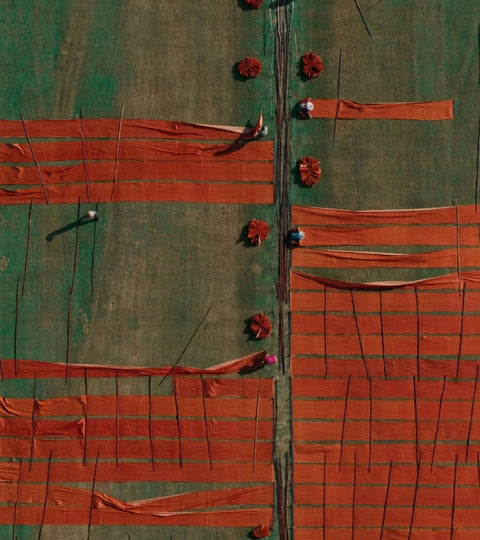
The Earthy Elegance of Xiangyun Silk
In a world increasingly defined by speed and automation, Xiangyun silk (香云纱), also known as Gambiered Guangdong Silk, offers a quiet counterpoint: a return to slowness, nature, and...
Evening in Jingdezhen: Meeting the Hearts Behind Fu Shan Xu
This year's trip to Jingdezhen brought me one of those unexpected encounters that stay with you long after you've returned home. Through a friend's introduction, I met Guo...
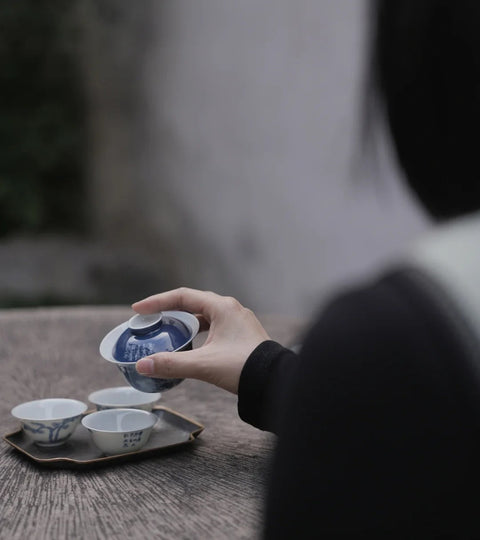
The Tea Volume Sweet Spot: Simple Formulas for Perfect Brewing
You know that moment when you brew the most incredible cup of tea, then spend the next week trying to recreate it? Same leaves, same water, but somehow...
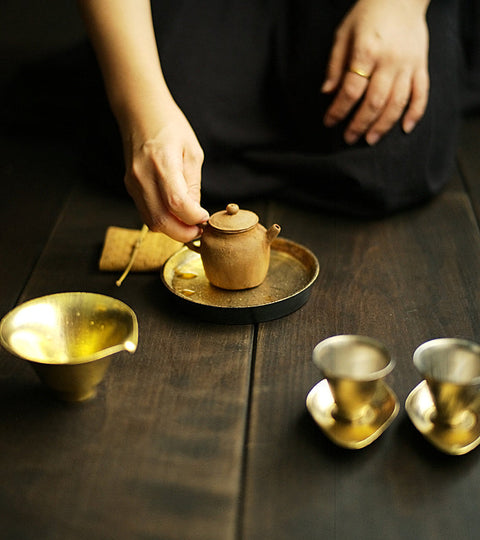
How to Store Pu'er Tea
Discover the simple secrets to perfectly storing Pu’er tea. With these practical tips, you’ll confidently preserve your tea’s rich flavors and nuanced aromas—ensuring every cup you brew is...
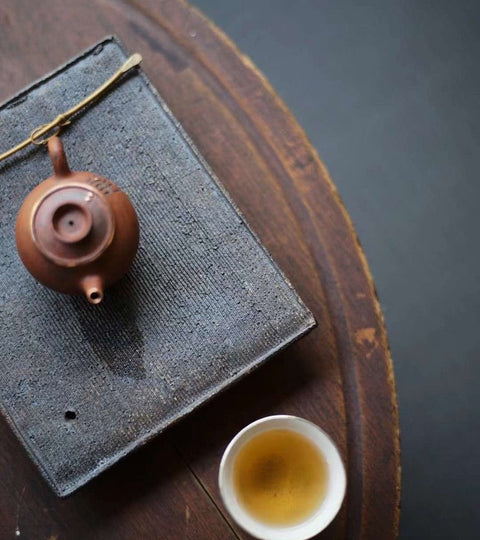
Chaozhou Gongfu Tea: Q&A
In the bustling streets of Chaozhou, a city in China's Guangdong province, a centuries-old ritual unfolds daily. Groups of people gather around small tables, carefully pouring tea from...
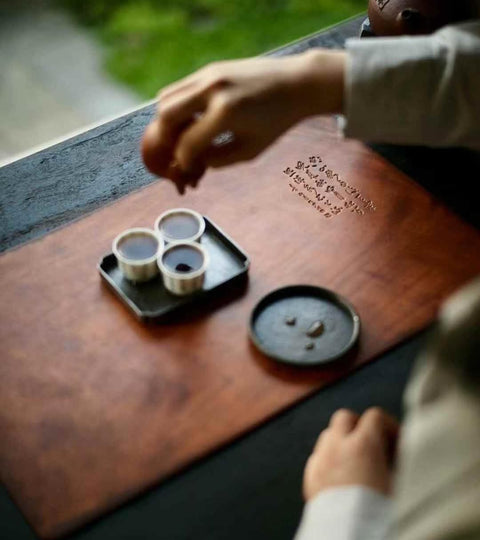
The Evolution of Teapot Size: A Journey Through Time and Taste
The teapot, a beloved vessel for centuries, tells a fascinating story of cultural change and shifting tastes. As we trace the transformation of teapots from large ceremonial pots...
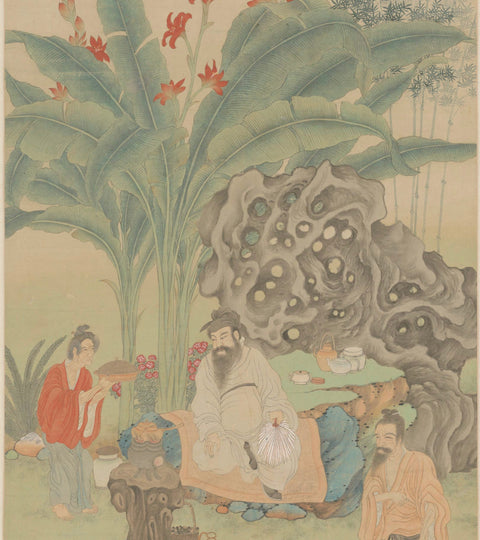
Unraveling the Aromatic Enigma of Rou Gui: A Journey into Wuyi Rock Tea
Rou Gui, often translated as "cinnamon," is also the name of a classic variety of Wuyi rock tea, full of complex flflavors and captivating aromas. A Storied Tea from the...

Why use a gongdaobei when drinking tea alone?
Some tea lovers have asked if they need a gongdaobei when enjoying tea alone. Gongdaobei are also known as "Fairness Cups", "Share Cups" or just "pitchers"! Here's why you...
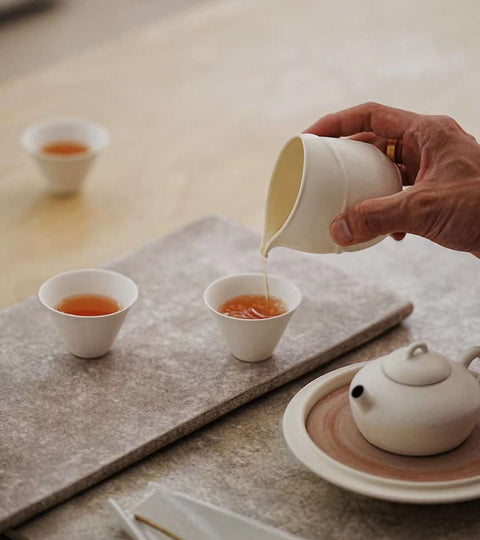
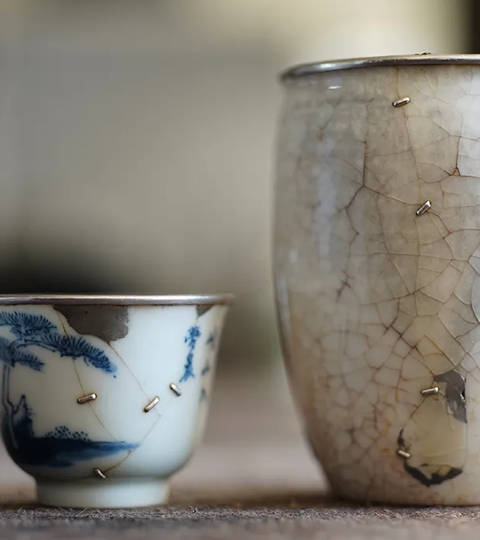
清武堂 - 伝統に根ざしたアーティストのスタジオ
最近、私は中国に2か月滞在し、多くのアーティストのスタジオを訪問し、新しいアーティストに会うという幸運に恵まれました。世界に提供するものに対して非常に創造力と情熱を持っている人々と時間を過ごすのが大好きです。 Qing Wu Tangは私のお気に入りのアーティスト スタジオの 1 つで、非常にユニークなストーリーを持っています。今後数か月にわたって、180andup に彼らの作品をさらに紹介する予定です。 清武堂は、孟孟と李俊娜の夫婦が設立したスタジオの名前で、「清浄な物の殿堂」と訳されます。二人とも景徳鎮で育ち、両親と祖父母も陶芸家だったため、幼い頃から古代の芸術家たちの美に対する深い理解があり、特に明朝と清朝の陶芸にインスピレーションを受けています。 この認識は、銀の留め金、金の縁取り、金の詰め物など、さまざまな金属を使った精巧な金継ぎ技法でアンティーク陶磁器を修復することへの情熱へと発展しました。これらの作品は唯一無二であり、十分に保存され、独特の美しさを持つ作品を見つけるには運が必要です。 李俊娜はまた、伝統的な技法を使って、特定の作品や過去の古典的な形からインスピレーションを得た現代的な茶器を制作しています。彼女は青花陶器の真の専門家であり、乾燥した陶器に複雑で小さなデザインを描き、その後慎重に焼成するという安定した手作業が求められます。私たちは、彼女の個人作品だけでなく、彼女と孟孟のスタジオでの共同作品も紹介します。 景徳鎮の孟孟さんと李俊娜さんを訪ねた際に見て良かったことの一つは、薪窯を使った作品でした。彼らはコロナ禍の直前に青武堂を立ち上げましたが、大変な時期に始めるのは大変でした。多くのアーティストは、ガス窯や電気窯など、より安価で早い現代の技術を使用しています。景徳鎮出身の孟孟さんは、以前は他のアーティストと協力して彼らの作品をコレクターに販売する手伝いもしていましたが、そのビジネスをやめて、彼らが愛する伝統的な技術を使って青武堂自身の芸術に命を吹き込むことに専念しました。彼らがこの時期を耐え抜き、自分たちのやり方で成功を収めたのを見て、私はとても嬉しく思いました。